 |
| An example of a TAT picture card. |
- Thematic Apperception Test (TAT): developed by Henry Murray. It is a projective test in which people express their inner feelings and interests through the stories they make up about ambiguous scenes.
- The subject is asked to tell the examiner a story about each card that includes the following elements: the event shown in the picture; what has led up to it; what the characters in the picture are feeling and thinking; and the outcome of the event. In addition to assessing the content of the stories that the subject is telling, the examiner evaluates the subject's manner, vocal tone, posture, hesitations, and other signs of an emotional response to a particular story picture. (Read more about it here).
Criticisms
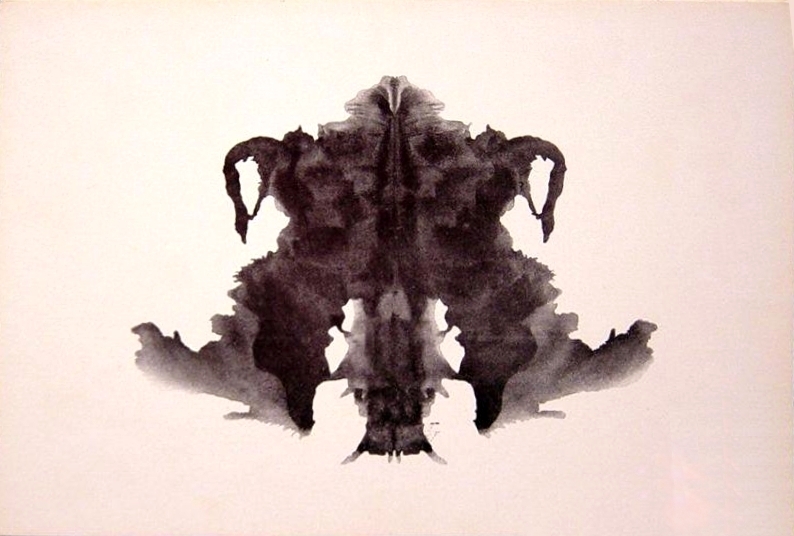
Critics argue that projective tests lack both reliability (consistency of results) and validity (predictability in what it is supposed to do), therefore it is not an effective method of identifying most psychological disorders. However, it has been shown to be effective in diagnosing schizophrenia and bipolar disorder .

I agree that the protective test lack in validity. Because of the vagueness of the test, the result should not be dependable. I do not understand how interpreting the blots and my outlook on life correlate. I think it could be effective, but it is not the best method. I could just be saying the first thing that come to mind.
ReplyDelete